Why Financial Firms Struggle with Data Silos and How to Solve Them
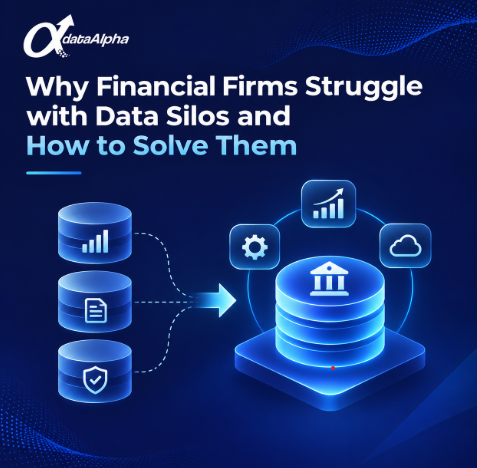
In today's data-driven financial landscape, access to accurate, real-time information is essential. Yet many financial institutions struggle with data silos, where critical information remains scattered across disconnected systems and departments. These barriers affect operational efficiency, risk management, and decision-making, making financial data management a growing priority.
Why Do Financial Firms Face Data Silos?
Financial firms rely on multiple platforms for trading, compliance, accounting, and portfolio management. Legacy infrastructure, fragmented databases, and limited system integration often prevent seamless information sharing.
As financial institutions expand, inconsistent data formats and disconnected workflows further complicate data management in financial services. This creates delays, increases operational costs, and makes maintaining data accuracy challenging.
How Data Silos Impact Financial Operations?
Disconnected financial data can create several challenges that affect a firm’s day-to-day operations and overall performance:
- Difficult Decision-Making: When important information is spread across different systems, financial teams struggle to get a clear picture of investment performance and potential risks.
- Compliance Challenges: Keeping up with regulatory requirements becomes harder when financial records are scattered, making audits and reporting more time-consuming.
- Slower Operations: Employees often spend valuable time gathering, checking, and matching data from multiple sources. This increases the chances of errors and delays everyday tasks.
- Limited Data Insights: When systems don’t communicate with each other, firms cannot make full use of their data. This makes it harder to benefit from quantitative analytics solutions, identify trends, and make informed financial decisions.
How Financial Firms Can Break Down Data Silos?
Financial institutions can overcome these challenges through a strategic approach to technology and integration.
Financial firms can reduce data silos and improve how they manage information by taking a few practical steps:
- Bring Financial Data Together: Using a financial data management platform helps firms keep important information in one place. This makes it easier for different teams to access the data they need without switching between multiple systems.
- Move to Cloud-Based Solutions: Cloud technology allows financial firms to store, manage, and share data more easily. It also helps teams access updated information securely and reduces their dependence on outdated systems.
- Keep Data Accurate and Reliable: Good financial data quality management helps firms avoid duplicate records, missing information, and errors. Regular data checks ensure teams can rely on the information they use for everyday decisions.
- Use Automation and Analytics: With the right fintech software solutions, firms can automate repetitive tasks, reduce manual work, and analyze large amounts of financial data. This helps teams spot trends, save time, and make better decisions.
- Work with Technology Experts: Experienced fintech consulting services providers can help financial firms connect existing systems, improve data management processes, and replace outdated technology without disrupting daily operations.
Conclusion
Breaking down data silos is essential for financial institutions seeking greater efficiency, transparency, and scalability. By investing in integrated technology and stronger data governance, firms can transform fragmented information into valuable business intelligence and make faster, more informed financial decisions.